Trying to decide whether to list your Chevy Chase home in spring or wait for summer? You are not alone. Timing affects how many qualified buyers you reach, how fast you sell, and how confidently you can negotiate. In this guide, you will learn what changes between spring and summer in our area, which metrics to watch, and the exact prep timeline to hit your ideal launch window. Let’s dive in.
Spring vs. summer in Chevy Chase
Spring in the Silver Spring-Frederick-Rockville metro area usually brings the largest wave of buyers. Many households want to go under contract by late spring so they can move before the new school year. That often means more showing activity and shorter Days on Market for well-prepared listings.
Early summer can still be strong, especially June and early July, as buyers who started in spring continue their search or relocate for work. By mid to late summer, vacations can slow weekday showings and reduce urgency. Luxury properties can behave differently, so your price band and property type matter when picking your date.
- Spring advantages: peak buyer activity, stronger price discovery, more agent and broker engagement.
- Spring drawbacks: more competing listings, tighter vendor schedules for staging and photography.
- Summer advantages: June and July capture buyers who missed spring or are relocating, often with slightly less competition.
- Summer drawbacks: vacation season can dilute attention, and buyer fatigue can set in by late summer.
Metrics that matter in Chevy Chase
The best timing depends on current local data in your price band. Ask your agent for recent stats specific to Chevy Chase single-family homes, and review them on a rolling 3 or 6 month basis to smooth month-to-month noise in the luxury segment.
- Months of inventory (supply): Active listings divided by monthly closed sales. Under 4 months usually signals a seller’s market. Four to six months is more balanced. Over 6 months is buyer-leaning. Luxury price bands often carry higher supply than the overall market, so read this by segment.
- Days on Market (DOM): Median days to go pending. Lower DOM means faster market movement. Expect higher DOM for $2 million-plus properties compared to the broader market.
- Sale-to-list price ratio: Median sale price divided by median list price. Above 100 percent points to frequent over-ask outcomes. Near 98 to 100 percent indicates prices are landing close to list.
- New listings vs. pendings by month: A spring surge often shows up as a jump in both new listings and pending sales. Track this heading into March, April, and May.
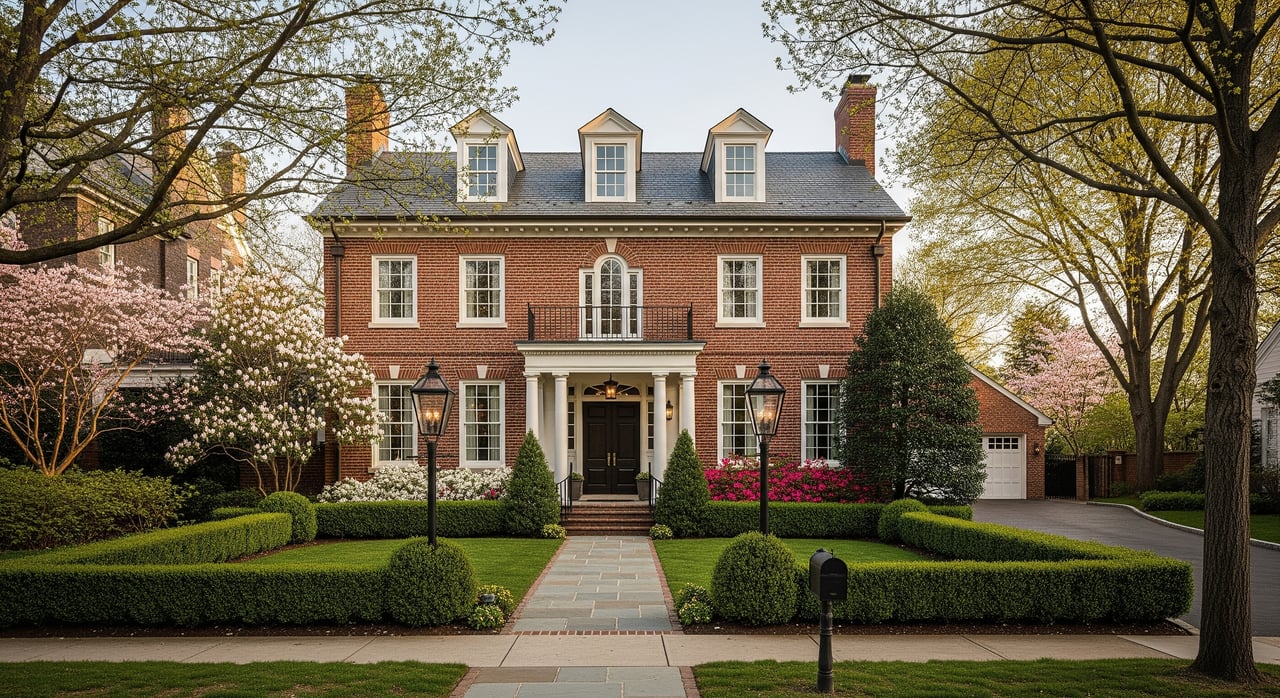
- Inventory composition: Note differences by lot size, architectural style, and price band. A classic Chevy Chase Colonial at $1.8 million will not track exactly like a modern new build at $3 million.
How to choose your listing date
Use a simple decision framework to align your goals with the market’s rhythm.
- If you are market-ready in 3 to 4 weeks and late winter supply sits below 4 months, list in early spring. You will benefit from the buyer wave and stronger agent attention.
- If you need 6 to 12 weeks of high-impact prep, aim for late April through June. Starting in March can get you live by late spring or early summer without rushing quality.
- If DOM is lengthening and supply is climbing in your band, consider whether late spring will clear competing inventory. You can also target a June launch to meet buyers planning August closings.
- If your property is unique with a narrow buyer pool, emphasize bespoke marketing and private agent outreach. The exact week matters less than aligning a curated campaign with real demand.
Spring launch timeline
Target listing window: late April to early June. Back into your date so the home is fully photo-ready and staged for the first day on market. Quality beats speed at the luxury level.
8 to 12 weeks out
- Select your listing agent and review price bands, competitive set, and strategy.
- Order a pre-listing inspection to surface issues that could slow escrow.
- Finalize any planned renovations or cosmetic upgrades. Confirm permits where needed.
- Book your stager, photographer, videographer, and drone team early. Prime slots fill quickly in spring.
- Line up vendors for landscaping, painting, lighting, cleaning, and floor refinishing.
6 to 8 weeks out
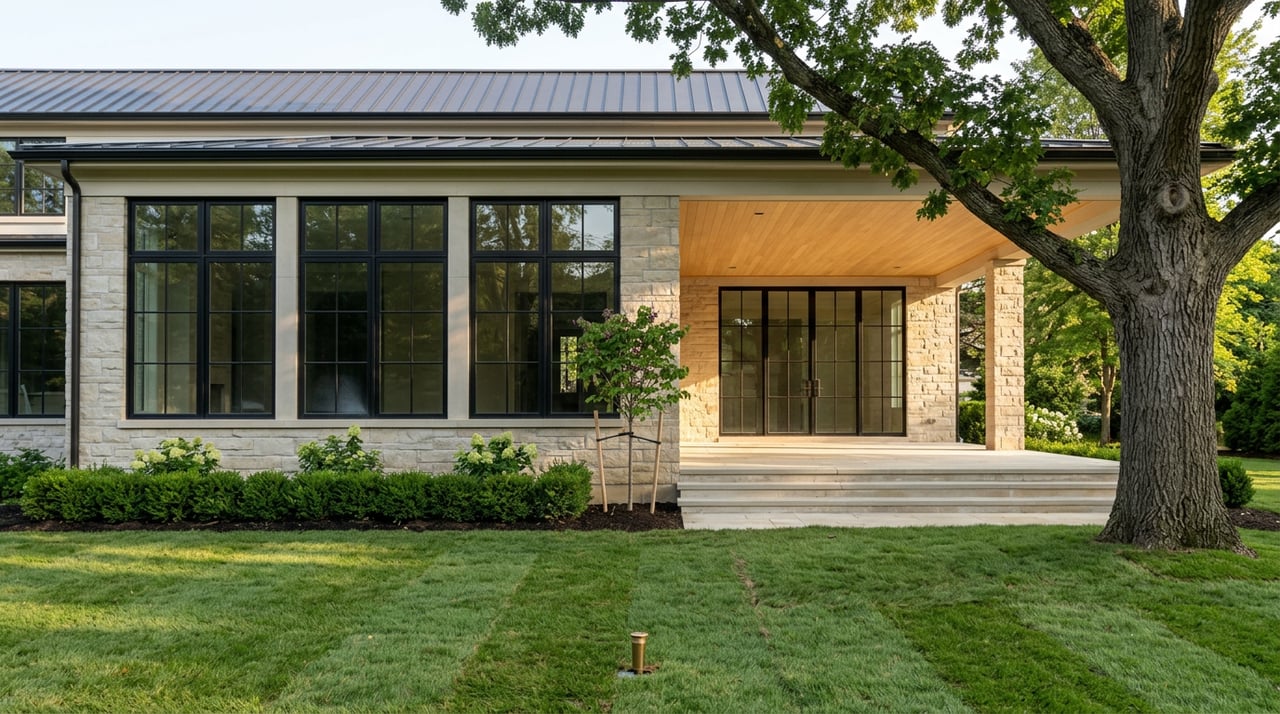
- Complete curb appeal work that pops with spring plantings and fresh mulch.
- Finish interior paint, hardware updates, and small repairs.
- Declutter, depersonalize, and execute full-home staging appropriate to your price point.
- Begin compiling documentation: upgrades, warranties, disclosures, prior surveys, and utility information.
3 to 6 weeks out
- Produce professional photography, twilight images, floor plans, and a 3D tour.
- Draft your MLS remarks and property brochure copy. Align features with buyer priorities.
- Plan targeted outreach to top local buyer agents and qualified lists. Consider a soft broker preview the week before launch.
0 to 2 weeks out
- Complete final staging touches and deep cleaning. Neutralize scents and optimize lighting.
- Confirm pricing and showing protocol, including private showings by appointment.
- Go live early in the workweek, often Tuesday or Wednesday, to build momentum into the weekend.
- Launch coordinated marketing across digital, print, and agent networks.
Summer launch timeline
Target listing window: June to July. The sequence mirrors spring, but secure vendors earlier so you are not crowded out by late spring demand.
12 to 16 weeks out
- Lock in your agent, set strategy, and schedule vendors for early summer dates.
- If you plan renovations, start in winter so you finish by late spring.
- Prepare for a clear, compelling narrative about timing. Many buyers plan August closings.
8 to 10 weeks out
- Execute landscaping and exterior refresh before heat stress affects lawns and plantings.
- Complete interior touch-ups and full-home staging.
- Produce photos, video, floor plans, and 3D assets on a bright day. Add twilight shots for drama.
3 to 4 weeks out
- Finalize copy and marketing materials. Pre-brief top buyer agents and relocation partners.
- Consider private previews for qualified buyers to build early interest.
0 to 2 weeks out
- Go live Tuesday or Wednesday for maximum exposure. Coordinate open houses and private tours.
- Monitor showing pace and feedback closely, then adjust quickly if a consistent theme emerges.
Luxury marketing must-dos
Premium homes in Chevy Chase deserve premium presentation. The right mix changes the outcome.
- Positioning: Emphasize lifestyle benefits such as proximity to downtown DC, parks, local shopping, and commuter access. Families often plan around the school calendar, so timing and closing windows matter.
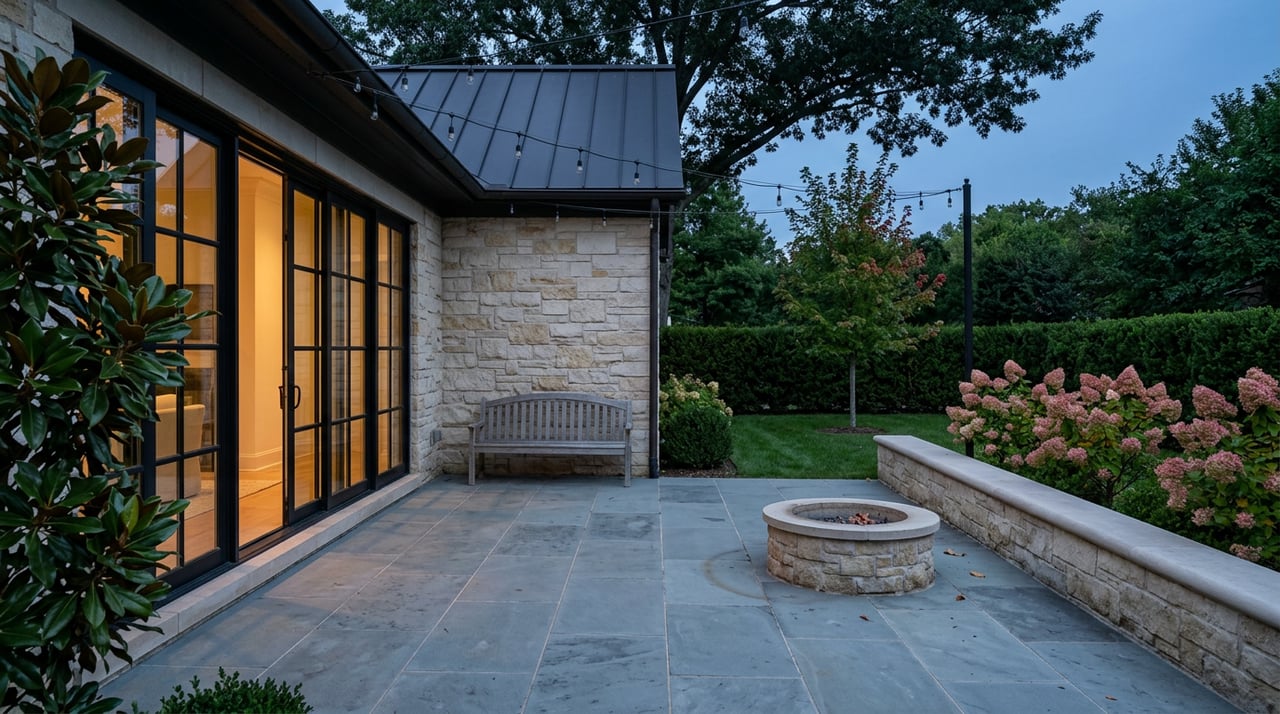
- Visual assets: Use top-tier photography, drone footage, floor plans, and cinematic video. Twilight images can showcase architecture and outdoor lighting.
- Distribution: Combine MLS exposure with targeted email to leading buyer agents and outreach through established luxury networks. Pair this with paid digital campaigns aimed at likely relocation and executive segments.
- Showing strategy: For higher price points, private showings by appointment can improve control and privacy. Consider a broker-only event to engage the agent community.
- Off-market options: For discreet or unique listings, a brief soft launch to agent networks or qualified buyers can test positioning before going public.
Risks and contingencies
- Market shifts: Rates or economic headlines can change buyer urgency. Watch 30-day trends in months of inventory and DOM as you approach your launch date.
- Low transaction counts: Luxury segments can be noisy month to month. Use 3 to 6 month rolling views to avoid overreacting to one sale.
- Vendor availability: Top stagers and photographers book up quickly in spring. Secure your team early to protect quality and timing.
Quick seller checklist
- Confirm target listing week, then work backward 8 to 12 weeks for prep.
- Review months of inventory, DOM, and sale-to-list ratio by price band.
- Decide on pricing strategy and concessions tolerance before launch.
- Book staging, photography, and video early. Require floor plans and a 3D tour.
- Schedule a broker preview one week before public launch.
- List early in the workweek. Monitor feedback and adjust quickly.
Final take
There is no one-size-fits-all answer for Chevy Chase luxury sellers. Spring often brings the deepest buyer pool and faster movement, while early summer can deliver strong outcomes with less competition. Your best timing depends on how ready your home is, what local supply and DOM show in your price band, and how precisely your marketing reaches qualified buyers.
If you want a data-driven plan that aligns your prep, pricing, and launch date with real demand, connect with Ben Kessie. Our team delivers premium presentation, targeted exposure, and negotiation-first advocacy so you sell with confidence.
FAQs
What is the best month to list a luxury home in Chevy Chase?
- Late spring often captures peak buyer activity, while June and early July can also perform well depending on inventory and your price band.
How long should I prepare before a spring listing?
- Plan 6 to 12 weeks for full prep and staging, or 3 to 4 weeks if the home is already close to market-ready.
How do months of inventory affect timing?
- Lower supply, often under 4 months, favors sellers and supports a spring launch, while rising supply may suggest waiting for late spring or early summer.
What day of the week should I go live?
- Many sellers target Tuesday or Wednesday to build online visibility and showing momentum heading into the weekend.
Is summer a bad time to sell in Chevy Chase?
- No, early summer can be strong, though vacations can slow activity by late summer, so your specific launch week and marketing plan matter.
Should I consider an off-market or soft launch first?
- For unique or high-profile homes, a brief agent-network preview can test positioning and build interest before public launch.