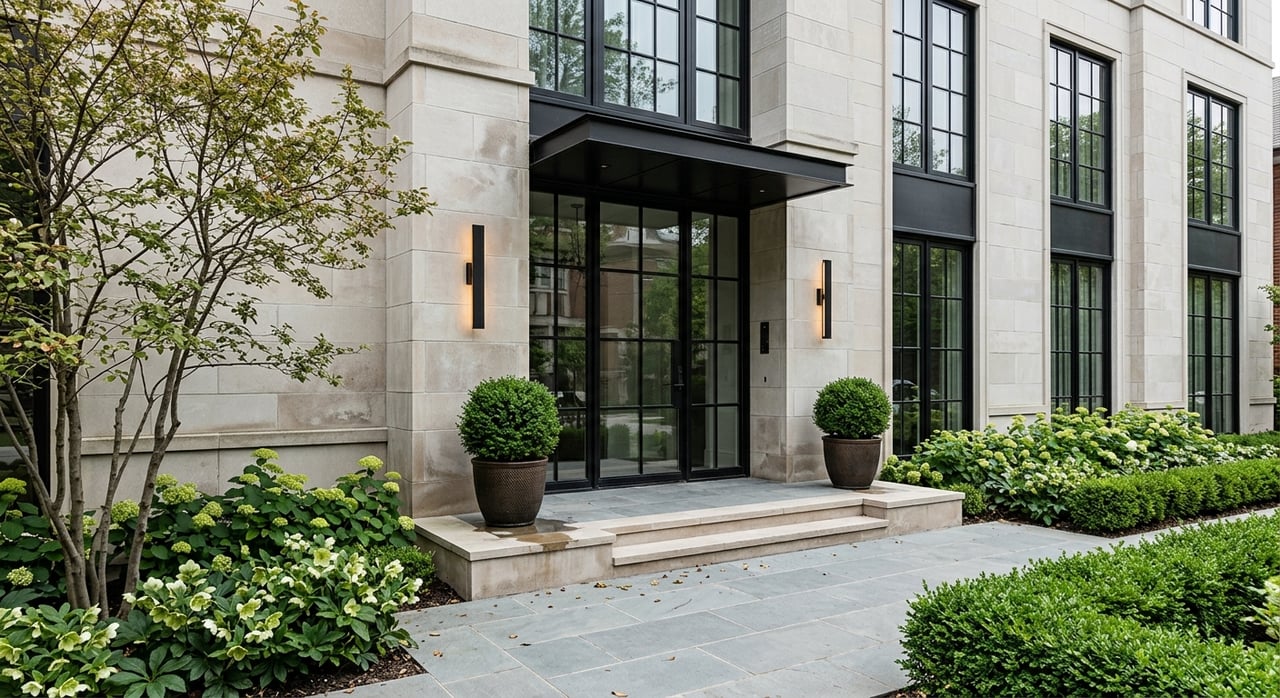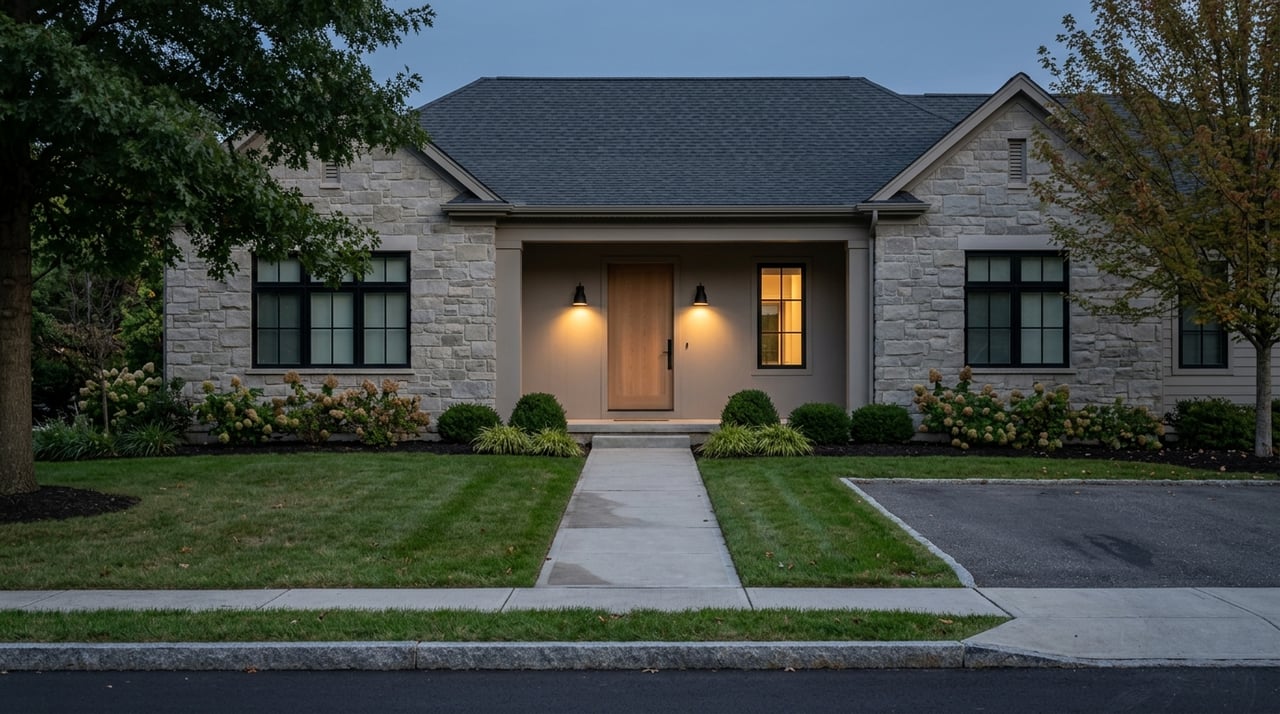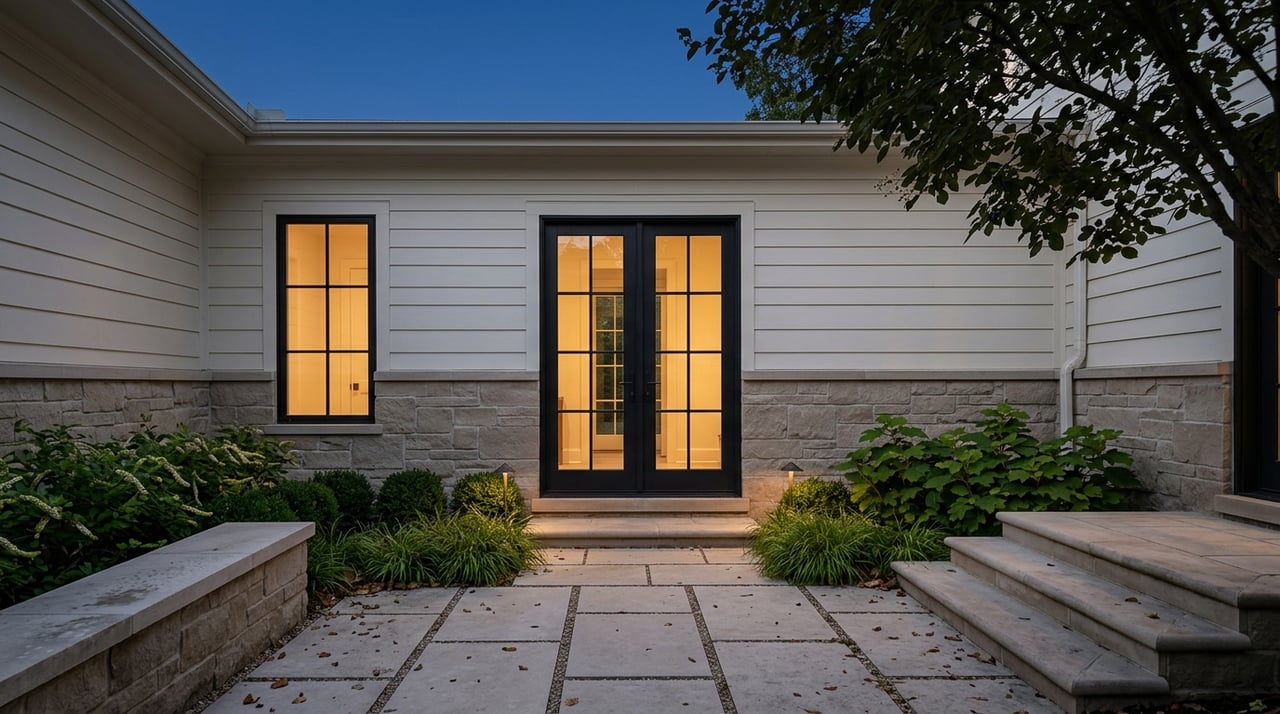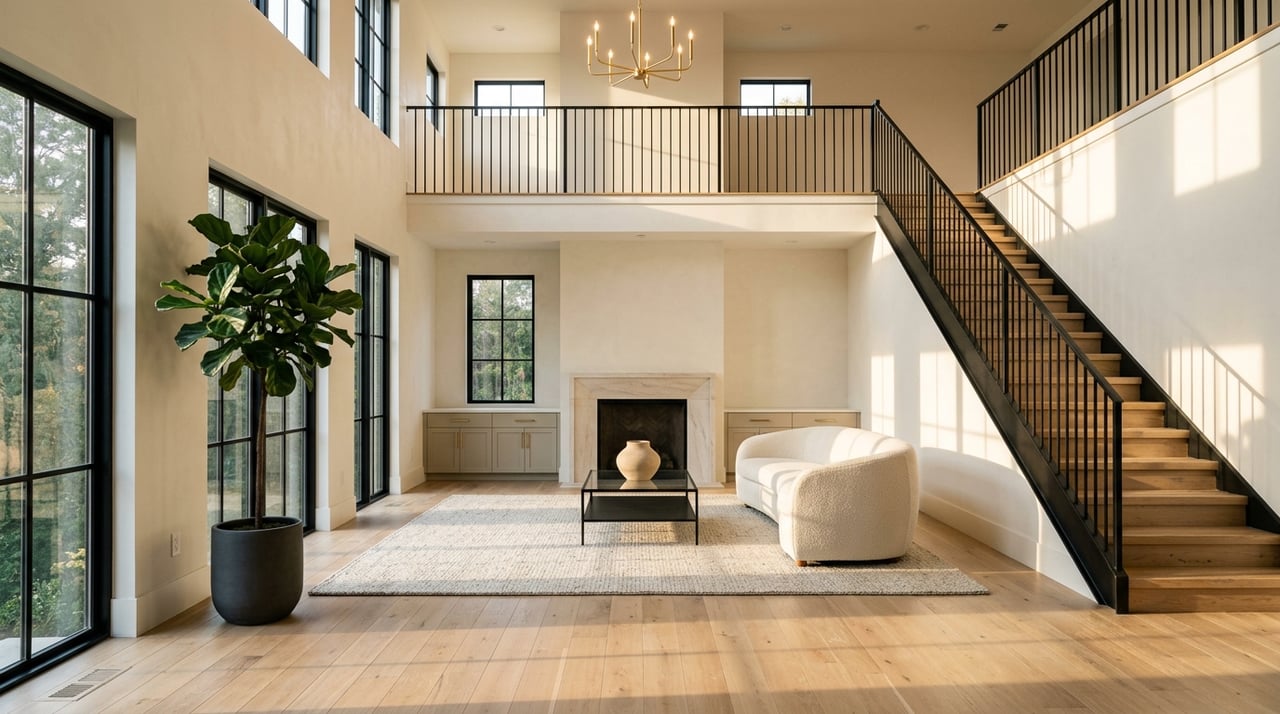
If you are weighing new construction against resale in Leesburg, you are not alone. This market gives you real choices, from established homes near the town’s historic core to newer communities with modern layouts and a growing development pipeline. The right fit often comes down to your timeline, your comfort with rules and approvals, and the kind of daily living experience you want. Let’s dive in.
Why this choice matters in Leesburg
Leesburg offers a broad mix of housing types, which makes the new-versus-resale decision especially relevant. The Town of Leesburg’s 2023 estimate counted 16,857 housing units, including 7,237 single-family detached homes, 4,699 townhomes or other attached single-family units, 4,666 multifamily attached units, and 255 stacked multifamily units.
That balance matters because you are not choosing in a market dominated by only one home style. You can compare detached resale neighborhoods, attached housing, and newer compact communities with more confidence that each option is part of the local housing landscape. For many buyers, the decision is less about age alone and more about location, lot, layout, fees, and future flexibility.
Price also shapes the conversation. Census QuickFacts lists the median value of owner-occupied housing units in Leesburg at $617,700 for 2019 through 2023, and median household income at $140,668. Redfin reported a March 2026 median sale price of $695,000, though that should be treated as a snapshot rather than a fixed rule.
What new construction offers
New construction in Leesburg can appeal to you if you want newer systems, a more current floor plan, and less immediate maintenance. It can also make sense if you are open to waiting while the home moves through permitting, construction, inspections, and final occupancy approval.
Leesburg has a meaningful development pipeline. The town reports that more than 1,700 new housing units were under development, which means new construction is not just a niche option. It is an active part of the local market.
Newer design and development patterns
Some of Leesburg’s newer areas follow a different design style than older neighborhoods. The Crescent Design District, for example, is described by the town as an urban-style district inspired by historic downtown, with a street grid, buildings closer to the road, and parking screened or placed behind buildings.
If you are drawn to a more connected, compact layout, that type of planning may feel like a strong fit. If you picture a larger yard or a more traditional detached-home setting, you will want to compare each community carefully rather than assume every new home in Leesburg offers the same lot or layout.
Permits and approvals can affect timing
New construction usually comes with more moving parts. In Leesburg, local permitting and district rules can shape the process, and occupancy permits are issued by Loudoun County’s Department of Building and Development.
The town also notes that, effective December 9, 2024, new single-family detached or attached residences are processed as a single lot-grading permit application instead of separate zoning and lot-grading permits. In some areas, including the Old & Historic District, Gateway District, or H-2 Corridor District, a Certificate of Appropriateness may also be required for new construction and certain site work.
That means your timeline may depend on more than the builder’s projected completion date. Local review steps, inspections, and occupancy approval can all influence when you can actually close and move in.
Expect a longer timeline
The biggest tradeoff with new construction is usually time. As a national benchmark, the NAHB reported that the average U.S. single-family home took 10.1 months to complete in 2023, while built-for-sale homes averaged 8.9 months.
Leesburg-specific approvals can add more time depending on the property and district. If you are buying a to-be-built home, you should also expect builder deposits and ask when, if ever, those funds are refundable. A newly built home is typically not ready to close until a certificate of occupancy confirms it is suitable for occupancy.
What resale offers in Leesburg
Resale homes often work best if you want a faster move, more established surroundings, or a location closer to downtown Leesburg. In many cases, resale also gives you a clearer picture of the exact lot, landscaping, street feel, and neighboring homes before you write an offer.
That can be valuable in a town where development patterns vary so much. The Legacy Leesburg Town Plan notes that lot sizes in preservation areas vary widely, which is a good reminder to compare the actual property and community layout rather than rely on broad assumptions.
Established settings and faster occupancy
A resale home already exists, which usually makes the process more direct than waiting on construction. While every transaction has its own timeline, resale is often the better fit if you need to move sooner or want to avoid the uncertainty that can come with build schedules.
You may also prefer the look and feel of a more established area. Mature landscaping, a settled streetscape, and proximity to older parts of town are often key reasons buyers lean toward resale in Leesburg.
Historic and overlay rules matter
If you are considering a resale home near the town’s core, local historic oversight may be part of the picture. Leesburg’s Old & Historic District was created in 1963 and later expanded to help preserve heritage resources and the town’s historic character.
Exterior changes in that district require a Certificate of Appropriateness before work begins, and larger exterior projects or new building construction must go before the Board of Architectural Review. The district is an overlay district, which means the underlying zoning still controls standards like use and lot coverage, but exterior review can still affect what changes you make later.
This does not mean a resale home is locked in place. It does mean you should understand the review process early if you expect to update the exterior, add fencing, or make other visible changes.
Location can be a major advantage
For many buyers, resale’s biggest edge is location. The town says downtown improvements in the Old & Historic District were designed to improve pedestrian accessibility, traffic safety, and aesthetics through wider sidewalks, traffic calming, and landscaping.
That helps explain why homes near the historic core often attract buyers who want easier access to the town center and a more established street network. Not every resale home will offer that setting, but location is often where resale stands out most clearly.
HOA and disclosure issues to review early
Whether you buy new construction or resale, community rules can shape your experience. In planned communities, HOA dues, standards, and document review may affect both your monthly costs and what you can do with the property later.
Under Virginia’s Resale Disclosure Act, resale contracts in a common-interest community must disclose that the property is in such a community, that the seller must obtain and deliver a resale certificate, and that the purchaser may have a right to cancel before settlement. The Virginia Department of Professional and Occupational Regulation also says associations must be properly registered, current with filings, and offer an electronic disclosure option before collecting authorized fees.
This is one reason early document review matters so much. You should compare dues, any special assessments, association rules, and whether exterior standards align with your plans for landscaping, fencing, or future improvements.
In some parts of Leesburg, association standards may not be the only layer. Town architectural review can also apply on top of HOA rules, especially in overlay districts. Looking at both together can help you avoid surprises.
How to decide between new and resale
If you are still on the fence, focus on the practical tradeoffs that matter most to your move.
Choose new construction if you want:
- Newer systems and materials
- A more current layout or urban-style community design
- Less immediate repair risk after move-in
- The ability to wait through permits, construction, and inspections
- Comfort with builder timelines and deposit terms
Choose resale if you want:
- Faster occupancy
- A more established neighborhood setting
- Mature landscaping and a visible, existing streetscape
- Potentially easier access to downtown Leesburg
- The ability to assess the exact property condition before closing
Put location ahead of age
In Leesburg, location often matters more than whether a home is new or older. Lot sizes, street patterns, approval requirements, and community layouts can vary widely from one area to another.
A compact new home in a form-based district may fit your lifestyle better than a larger resale home farther out. On the other hand, a detached resale home on a more traditional lot may offer the space and setting you value most. The best choice is the one that matches how you want to live, not just what looks newest on paper.
A smart buying strategy for Leesburg homes
The strongest approach is to compare homes through the lens of timing, rules, and long-term fit. Before you commit, review the lot, the community structure, any HOA documents, and whether town approvals could affect your plans.
This is especially important if you are deciding between a to-be-built home and a resale property in or near an overlay district. A careful side-by-side review can help you understand total monthly cost, expected timeline, future flexibility, and how each option supports your goals.
If you want help sorting through Leesburg homes with a strategy that fits your timing, budget, and priorities, connect with Konah Real Estate Group for tailored guidance.
FAQs
What is the main difference between new construction and resale homes in Leesburg?
- New construction usually offers newer systems and modern layouts but often takes longer because of permitting, construction, inspections, and occupancy approval. Resale homes are often faster to occupy and may offer more established surroundings.
Are there many new construction options in Leesburg?
- Yes. The Town of Leesburg reports that more than 1,700 new housing units were under development, showing that new construction is an active part of the local market.
Do resale homes in Leesburg come with historic district rules?
- Some do. Homes in the Old & Historic District may require a Certificate of Appropriateness for exterior changes, and larger exterior projects may need Board of Architectural Review approval.
How do HOA documents affect Leesburg homebuyers?
- HOA documents can affect monthly dues, special assessments, property rules, and your ability to make future exterior changes. In Virginia common-interest communities, resale transactions also involve required disclosures and a resale certificate.
Is resale usually faster than new construction in Leesburg?
- In most cases, yes. A resale home already exists, while new construction usually must move through permits, construction, inspections, and occupancy approval before closing.
Should Leesburg buyers focus more on home age or location?
- Location is often more important. Leesburg includes a wide range of lot sizes, housing formats, and planning districts, so the right area and community layout may matter more than whether a home is brand new or resale.