Wondering why some rural homes in Rockville attract strong interest quickly while others sit? When you are selling a country or estate home, you are not just selling square footage. You are selling land, access, privacy, utility setup, and the story of how the property lives day to day. If you want to position your home well, price it with confidence, and avoid preventable surprises, this guide will walk you through what matters most in Rockville. Let’s dive in.
Why Rockville requires a different selling strategy
Rockville is not a typical subdivision market. Hanover County’s long-range planning documents show that about 78% of the county lies outside the Suburban Service Area, with most of that land designated for rural or agricultural use. That rural framework shapes how buyers view homes in Rockville because they are often evaluating the property as a whole, not just the house.
Market data also points to Rockville as a higher-priced niche within Hanover County. In May 2026, Hanover County showed a median sold price of $475,000 and a median 34 days on market, while Rockville showed a median listing price of $865,975 with only 13 homes for sale and a median 34 days on market. That smaller inventory and higher pricing mean your property usually needs to be marketed and valued as a specialized offering.
Price the property, not just the house
A country or estate home in Rockville should not be priced like a nearby home in a conventional neighborhood. The land itself may carry meaningful value, but that value depends on what buyers can actually use and enjoy. A strong pricing approach looks at the full property package, not only interior finishes and bedroom count.
Useful pricing factors often include:
- Acreage and overall lot size
- Road frontage
- Driveway condition and presentation
- Privacy and views
- Fencing
- Barns, workshops, or other outbuildings
- Guest spaces or additional structures
- Ponds or water features
- Utility setup
- Easements or other land limitations
- Zoning considerations
Hanover County states that each zoning district allows some uses by right and others only through a conditional use permit or special exception. If a buyer is paying for flexibility, they will want clarity on what the land can legally support. That is one reason pricing acreage homes requires more nuance than pricing a standard resale home.
There is also less room for guesswork with niche properties. If you price too high, the home may sit while buyers work through financing, maintenance, and land-use questions. If you price too low, you may leave value on the table in a county where homes have been selling around asking price on average.
Prepare the land as carefully as the interior
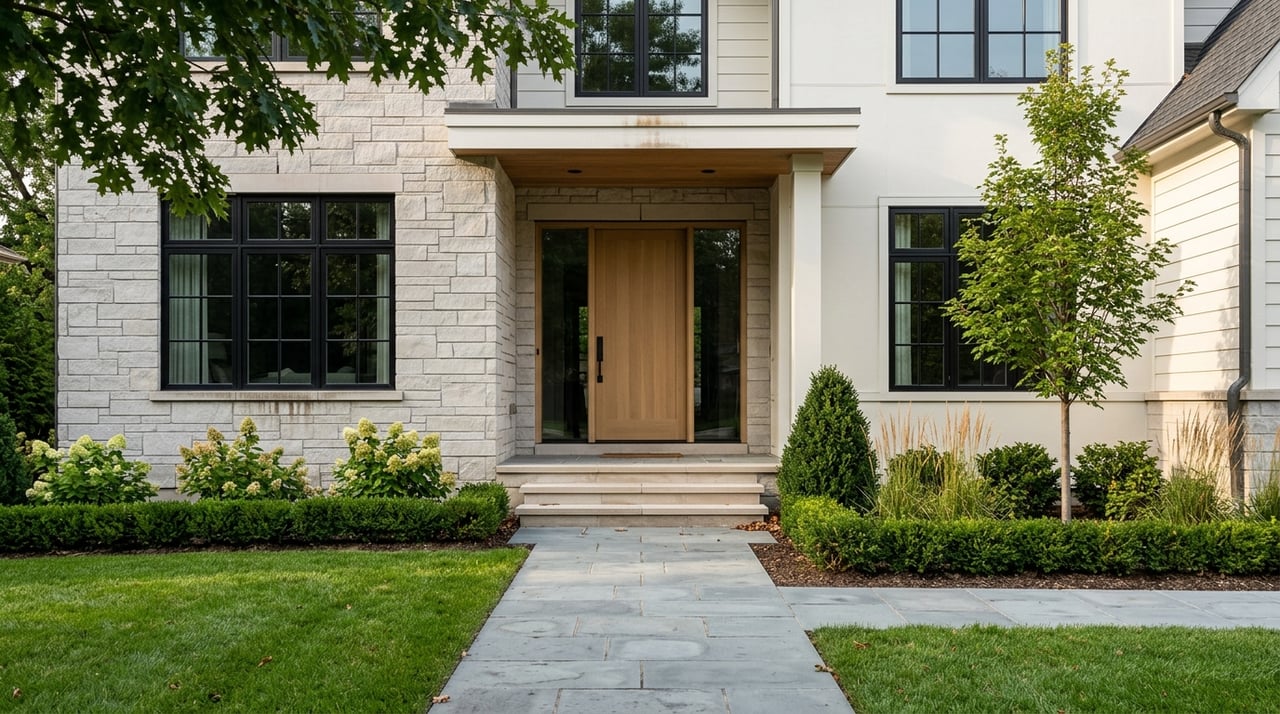
For a Rockville estate property, first impressions often start before a buyer reaches the front door. The approach drive, tree lines, fencing, gates, and open land can shape the entire showing experience. If those elements feel unclear or neglected, buyers may assume the same about the rest of the property.
Your prep plan should go beyond decluttering and basic staging. Focus on making the land easy to understand and easy to imagine using. Clean edges, open sightlines, and visible features help buyers see the value more quickly.
Key exterior prep steps
- Clean and define the driveway entrance
- Trim overgrowth along driveways and tree lines
- Repair or straighten fencing where needed
- Clear brush that blocks views or access
- Highlight barns, workshops, guest spaces, ponds, or trails
- Organize storage areas in outbuildings
- Make property boundaries easier to explain during showings
If your cleanup plan includes brush removal or burn piles, check Hanover County’s open burning rules first. The county notes that some areas restrict open burning and enforces seasonal 4 p.m. burning limits. It is a small step, but it can help you avoid delays or compliance issues during listing prep.
Timing matters, especially for acreage homes
Timing can make a noticeable difference when you are selling a property with land. Realtor.com’s 2026 Best Time to Sell report identified April 12 through 18 as the strongest national listing window, with listings during that period historically receiving 16.7% more views per listing than a typical week. While every seller’s timeline is different, that data supports the idea that spring exposure can be especially helpful.
For country homes, spring also tends to improve visual presentation. Greener landscaping, fuller tree lines, and more attractive outdoor photography can help acreage read better online. Since so much of the value may be tied to the setting, the season you choose can affect both attention and perception.
Build a stronger pre-listing file
Buyers of rural and estate properties often ask more detailed questions early in the process. If you can answer them clearly, your listing feels more organized and credible. If the answers are unclear, buyers may hesitate or slow down during due diligence.
Virginia follows a buyer-beware disclosure framework under the Residential Property Disclosure Act. Sellers must provide the required residential property disclosure statement before ratification, and the law notes that owners make no representations about certain items, including wastewater systems, flood-hazard status, and conservation easements. If disclosures are not delivered on time, buyers may have termination rights under the statute.
That legal structure makes preparation especially important for Rockville properties, where wells, septic systems, acreage, and floodplain questions may all come into play. A well-prepared file helps reduce uncertainty and gives buyers a clearer picture of the property before they commit.
Records worth gathering before you list
- Survey or plat
- Septic pump-out or inspection history
- Well water testing results
- Easement documents
- Shared-drive agreements, if applicable
- Permits related to structures or land improvements
- County correspondence tied to the property
- Floodplain information
Wells, septic, and water testing matter
Private utility systems are common in country settings, and buyers usually want documentation. The Virginia Department of Health says private well owners are responsible for testing their water and recommends annual testing. The agency also notes that more than one million Virginia households use private wells, and 92% of those households also use septic systems.
In Hanover County, septic reporting has an added local layer for some properties. The county requires septic pump-out or inspection reporting every five years for properties located in Chesapeake Bay Preservation Areas. County staff also note that pumping outside those areas is not legally required, though it is still a practical maintenance step.
For sellers, this means recent records can be very helpful. Even in a buyer-beware state, organized documentation can make your listing feel better maintained and easier to evaluate.
Floodplain and land restrictions can affect value
Acreage buyers often think several steps ahead. They may ask whether parts of the land are in a floodplain, whether wetlands affect use, or whether easements limit improvements. These questions are normal, and they can influence both buyer confidence and pricing.
Hanover County provides online floodplain maps and notes that lenders may require flood insurance in high-risk flood areas. The county also explains that development in a floodplain must comply with FEMA rules and county ordinances. If your property includes land near low areas, streams, or other sensitive features, having floodplain status and related documents ready can help prevent surprises.
Marketing should tell the full property story
A standard listing approach is usually not enough for a country or estate home in Rockville. Buyers need to understand not just what the house looks like, but how the land is laid out and what features come with it. Strong marketing makes the property easier to interpret before a showing ever happens.
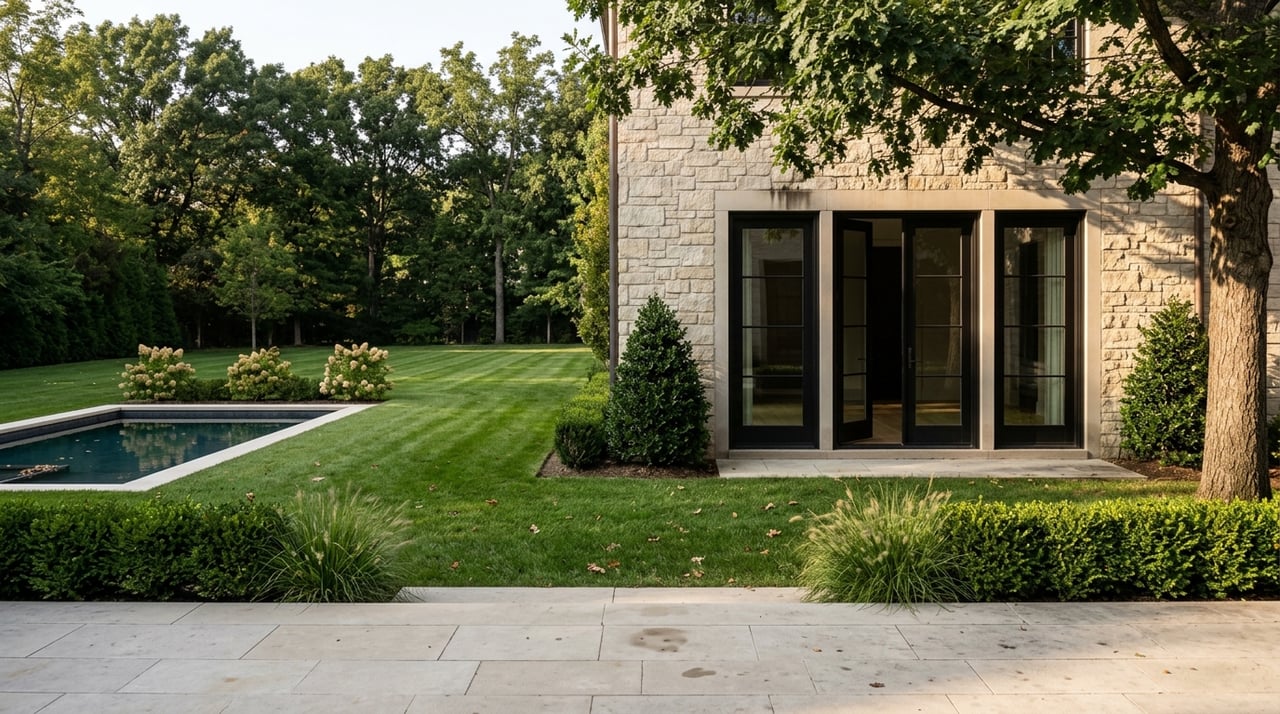
That is where premium presentation matters. For a niche listing, photos should do more than capture attractive rooms. They should also show the approach, the acreage, the outbuildings, and the overall context of the parcel.
What strong marketing should show
- The home’s interior and exterior condition
- Aerial views for parcel context
- Clear visuals of barns, workshops, or guest spaces
- Driveway access and arrival experience
- Open land, tree lines, ponds, or trails
- The relationship between the house and the acreage
- A concise explanation of what is included with the property
In a market like Rockville, the goal is not broad attention for its own sake. The goal is to attract the right buyer with the right expectations.
Expect buyers to ask detailed questions
Country and estate buyers often move carefully because they are buying complexity along with beauty. They may love the setting, but they still need confidence in the details. The more clearly you address those details up front, the smoother the sale process can feel.
Common buyer questions in Rockville often include:
- What exactly is included in the acreage?
- Are there easements, conservation restrictions, or shared-drive obligations?
- Are well water results current?
- Are septic records available?
- Does any part of the land fall within a floodplain?
- Are there wetland limitations?
- Can the property be used the way the buyer intends under current zoning?
Answering these questions early does not just save time. It can strengthen trust, reduce uncertainty, and help serious buyers move forward with fewer surprises.
Why strategy matters in a niche market
Rockville’s combination of rural character, limited inventory, and higher price points creates a market where details matter. A thoughtful sale is usually built on accurate pricing, polished presentation, organized records, and marketing that reflects the full value of the property. When those pieces come together, your home stands a better chance of attracting qualified interest and supporting a cleaner transaction.
If you are preparing to sell a country or estate home in Rockville, you need more than a basic listing plan. You need a strategy that accounts for land, documentation, buyer expectations, and premium presentation from day one. To talk through your next steps, connect with Konah Real Estate Group.
FAQs
What makes selling a country home in Rockville different from selling a subdivision home?
- Rockville buyers often evaluate acreage, access, outbuildings, wells, septic systems, and land-use limitations in addition to the home itself, so pricing and marketing usually require a more specialized approach.
What records should you gather before listing a Rockville estate home?
- The most helpful records often include a survey or plat, septic pump-out or inspection history, well testing results, easement documents, shared-drive agreements, permits, and floodplain information.
What should you know about well and septic systems when selling in Hanover County?
- The Virginia Department of Health recommends annual private well testing, and Hanover County requires septic pump-out or inspection reporting every five years for properties in Chesapeake Bay Preservation Areas.
What pricing factors matter most for acreage homes in Rockville?
- Important pricing factors can include acreage, road frontage, driveway quality, privacy, views, fencing, outbuildings, water features, utility setup, and any zoning or easement limitations.
What is the best season to list a country or estate home in Rockville?
- Spring can be a strong option because national 2026 listing data showed April 12 through 18 as a high-visibility period, and greener landscaping often improves how acreage properties show online and in person.
Why do floodplain and zoning details matter when selling land-rich property in Rockville?
- Floodplain status, wetland limitations, and zoning rules can affect financing, insurance needs, future use, and overall buyer confidence, so having that information ready can help reduce surprises during due diligence.